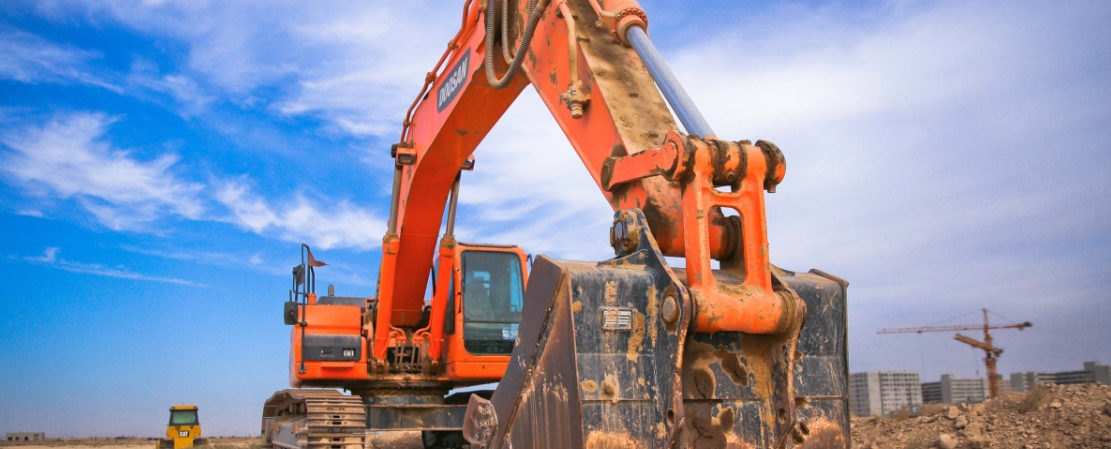

How to broaden your export markets
For those involved in the industry, it’s no secret that buying machinery in countries like the USA, Australia, and many African nations can be more expensive than for those in Europe. In fact, this phenomenon has led to changes in machinery purchasing trends across these places. It’s often cheaper for people to import machinery from the UK and Europe than to buy it in their home country.
While this is a great solution to an expensive problem initially, there are other problems which may arise due to differences in regulations between the manufacturing countries and the recipient nations when it comes to diesel particulate filter (DPF) and AdBlue systems.
But this doesn’t have to impact your ability to broaden your export market. In fact, British exports of construction and earthmoving equipment have been on the rise in recent years, exporting twice the amount of imports.
Common problems with the exportation of machinery
There is one major problem with exporting diesel-powered machinery abroad: the DPF and AdBlue systems.
As a part of the EU, the UK is subject to Euro 6 regulations for diesel engines. These regulations arose from the 2009 Euro 5 regulations which require all new diesel engines to have a DPF. The Euro 6 takes this legislation further and all new diesel engines must use AdBlue as well as DPF.
The problem is, these DPF and AdBlue systems are prone to breakdowns, and the resulting problems are expensive to manage. One DPF filter replacement can cost up to £1,800, excluding the installation fees. Even the slightest amount of contamination in the AdBlue system could leave people needing extensive repairs, costing thousands. And, unfortunately, these problems are common.
In 2018, the AA dealt with 23,000 AdBlue errors. The problem is severe for construction companies and heavy machinery operators who rely on diesel-powered engines to meet deadlines, meet client expectations, and look after their livelihood, particularly abroad.
People want reliability
The unreliability of engines with DPF and AdBlue systems makes them unattractive to foreign buyers who don’t want to import machinery only to have it break down regularly and hike up their costs. The money they would spend on repairs could go towards paying that little extra for a home-grown engine they can rely on. Whether it’s the outback of Australia or the deserted countryside of Nigeria, reliability is everything in ensuring people don’t lose money on repair costs as well as the time lost while the engine is in limp mode and not functioning properly.
Expanding your export markets
Not all countries are subject to the Euro 6 diesel regulations. This means engines don’t need to have a DPF or AdBlue system by law, and so, exporters can bypass the problem of unreliability and high costs easily, helping to widen your customer base across the world. All you need is a kit you can install on the engine which removes the need for the DPF and AdBlue, saving your customers thousands in the long run.
Offering these kits with your machinery is an excellent way to make your exports more appealing and increase your profits.
DPF doctors specialise in providing kits which allow you to bypass the DPF and AdBlue systems on diesel engines. This saves operators time, money, and stress by making your machines ones they can rely on. For more information or a quote, get in touch with us today.